Incorrectly selected EMS partners in Europe cost OEMs time, margins, and, in the worst case, serial production. EMS Strategy Group identifies, evaluates, and integrates the right manufacturing partner for your product – from in-depth TCO analysis and physical on-site audits in Central and Eastern Europe to ensuring a stable start of production.
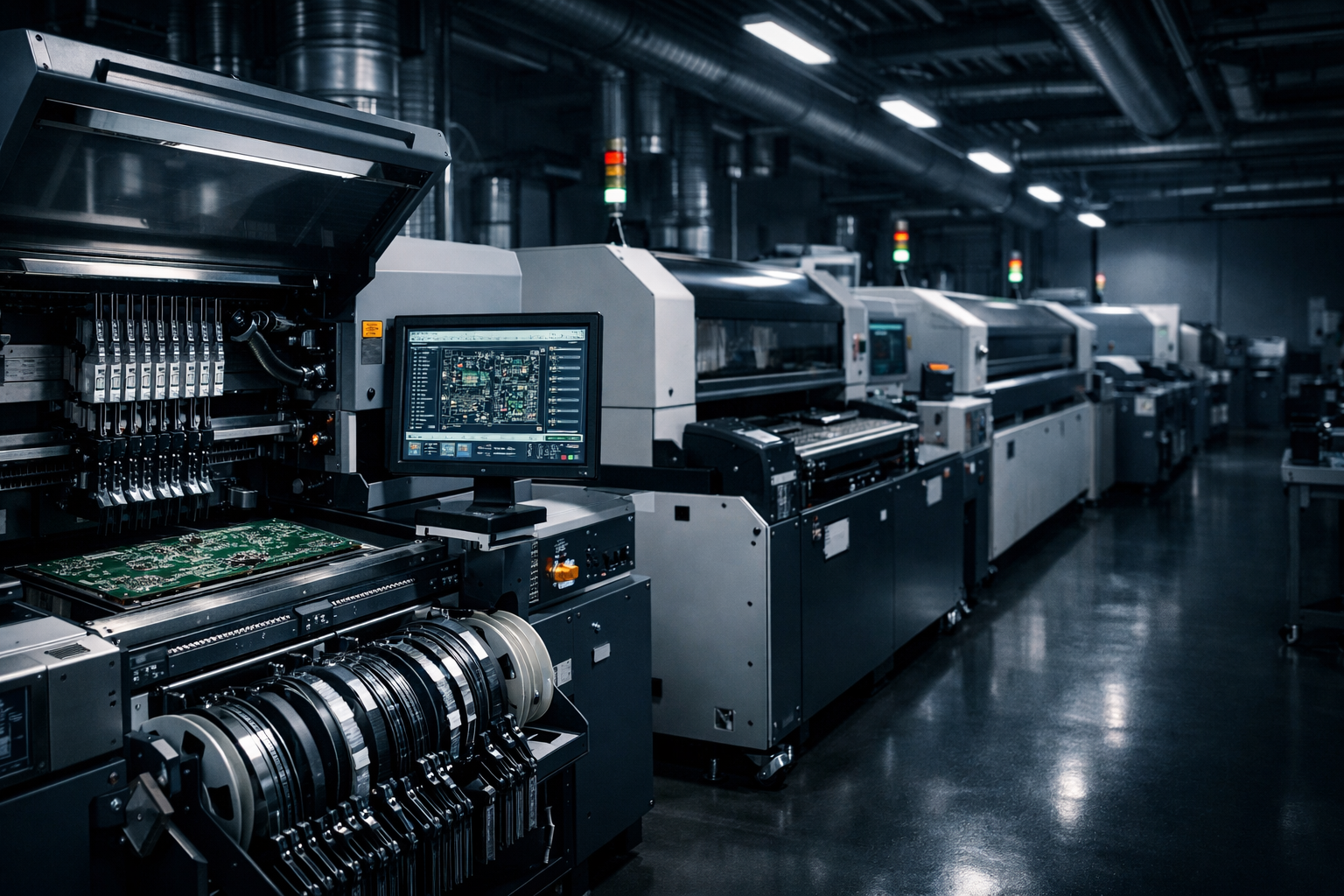
Legacy manufacturing structures are often inefficient and jeopardize the long-term competitiveness of OEMs. EMS Strategy Group develops optimized and future-proof production models – from strategic make-or-buy decisions and site selection to the seamless operational integration of your European partners.
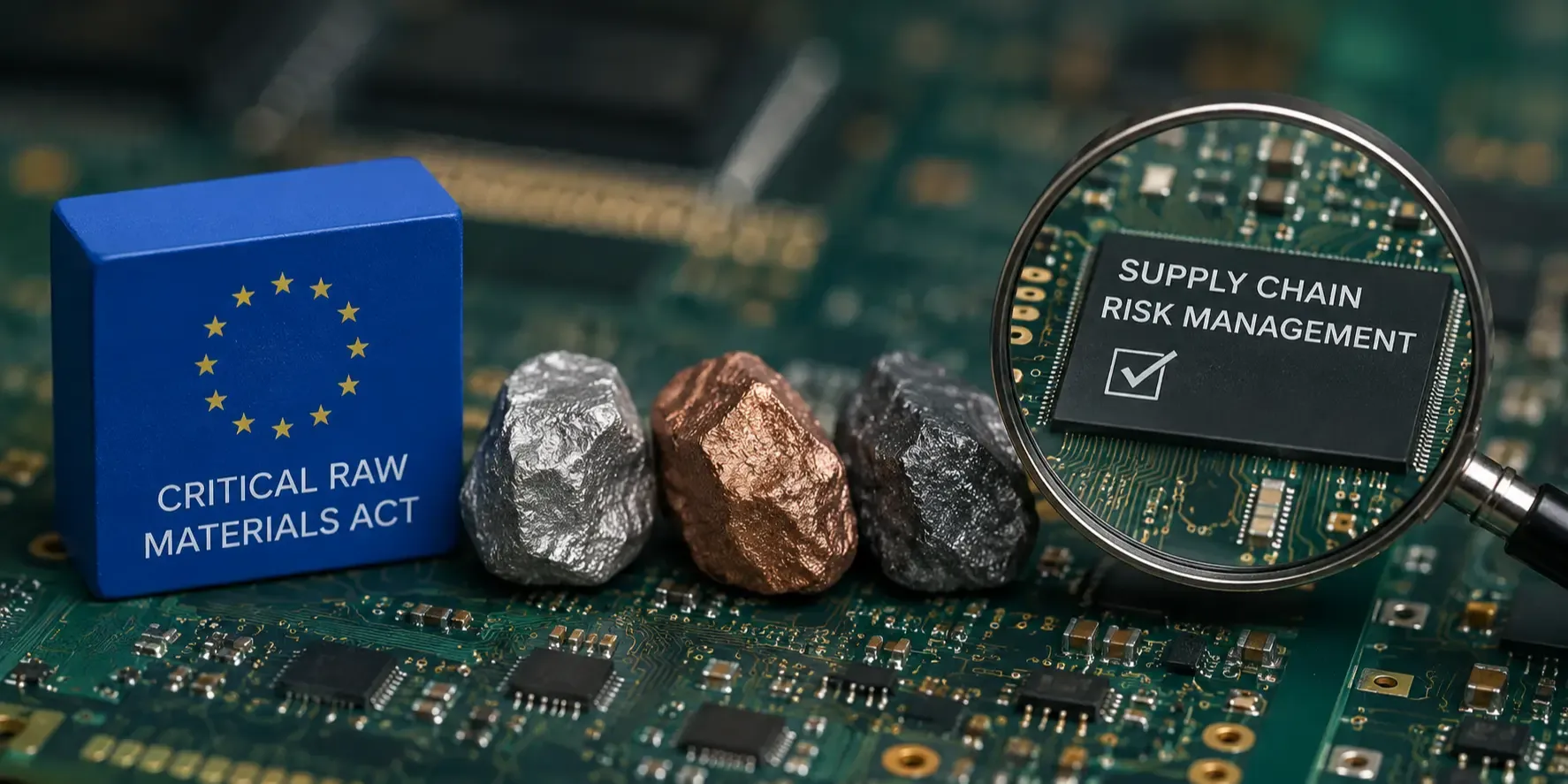
Underestimated material risks in Europe often compromise delivery capabilities and lead to costly production halts. EMS Strategy Group eliminates component dependencies and secures your material pipeline – from BOM risk analysis and obsolescence management to resilient supply structures.

Successful EMS relocations depend on more than bills of materials, drawings and machinery. This Strategic Brief shows how to preserve critical know-how, prevent knowledge loss and ensure a structured knowledge transfer throughout the relocation process.
India is emerging as a significant player in global electronics manufacturing. This white paper examines the current development of PCB manufacturing, EMS, and electronic component sourcing, highlighting existing capabilities, remaining dependencies, and the strategic implications for European OEMs and their supply chains.
Driven by geopolitical risks, intensifying supply chain pressures, and evolving regulations, a growing number of OEMs are rethinking their manufacturing strategies. This featured article explores the critical factors in relocating electronics production and highlights why structured planning is vital for long-term success.
Global supply chains are under increasing pressure. Political uncertainties, complex customs structures, and long transport routes tie up capital and jeopardize planning security. At the same time, requirements for ESG standards, data security, and sustainability are rising.
Those who produce in Europe today gain control over quality, communication, and security. Short distances mean faster decisions, lower risks, and reliable partnerships. European manufacturing stands for transparency, technological sovereignty, and trust in the data that protects your business.
Sourcing everything from Europe is unrealistic" – an argument often heard to justify risky dependencies on single-source suppliers.
Yet, the reality of modern electronics manufacturing is more nuanced. It is not about total isolation, but about a well-thought-out supply architecture – utilizing European suppliers wherever possible, and strategically secured global sources wherever necessary. The result is a supply chain that withstands the pressure.